Tailored Railings and Stairs: Elevate the Style and Function of Your Deck
Custom railings and staircases are fundamental to improving the visual appeal and practicality of a deck. By selecting unique designs and materials, homeowners can craft a welcoming outdoor area that showcases their individual taste. Safety and durability are also important considerations. Investigating a range of styles and materials can highlight solutions that find the perfect harmony. What elements should homeowners evaluate when beginning this design process?
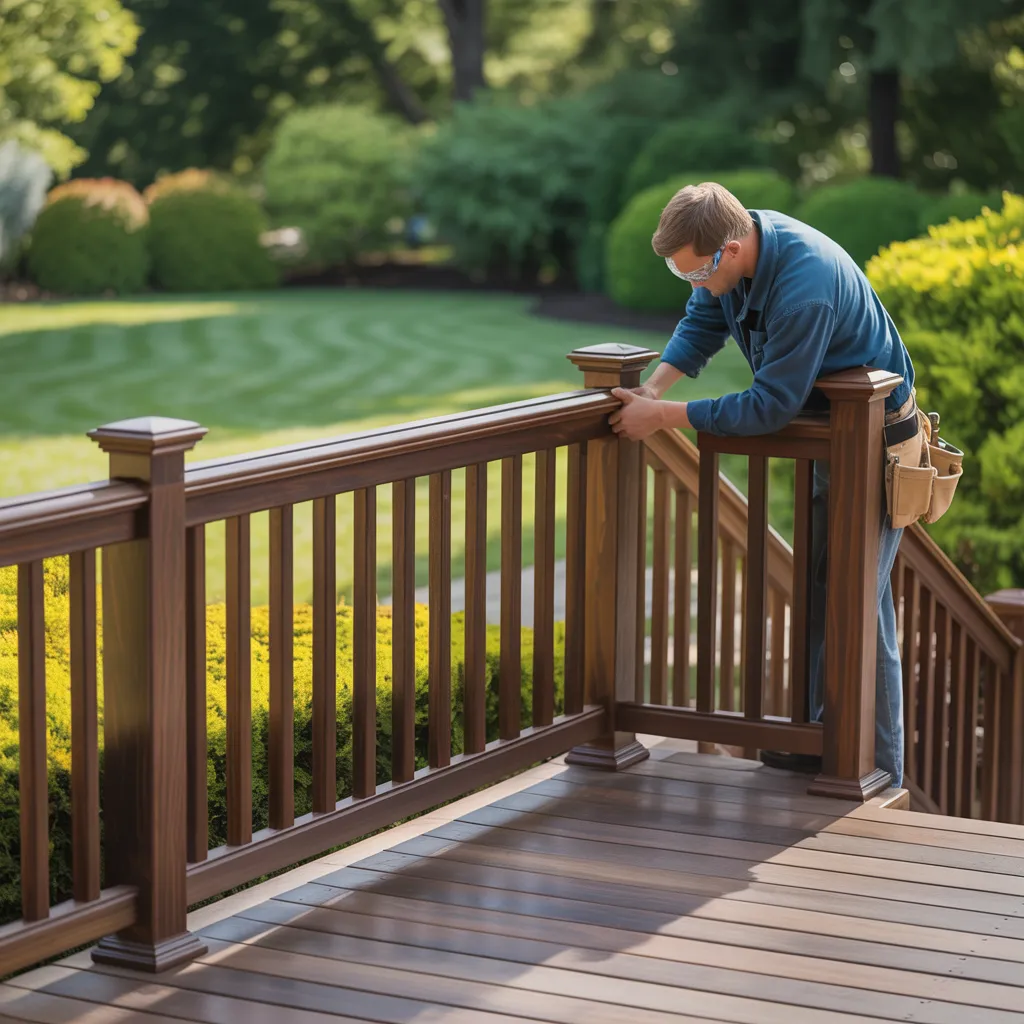
The Benefits of Custom Railings and Stairs
Custom railings and staircases enhance both aesthetics and functionality in every space. They present an exceptional opportunity to enhance the visual appeal, turning standard areas into remarkable focal points. By including tailored designs, homeowners can effortlessly coordinate these elements with their home decor, reflecting individual tastes and style preferences.
Beyond aesthetics, custom railings and stairs offer significant safety benefits. Personalized designs can secure compliance with local building codes while minimizing the risk of accidents. The selection of durable materials further enhances longevity, reducing the need for frequent repairs or replacements.
Furthermore, bespoke designs support optimal use of available space, particularly in complex floor plans. With creative design approaches, homeowners can maximize comfort and usability. Ultimately, selecting tailored railing and stair solutions delivers both aesthetic charm and practical advantages, making them an invaluable addition to any residential or commercial setting.
Trending Styles of Tailored Stairs and Railings to Think About
Design decisions for railing and stair systems can significantly impact the general atmosphere of a room. Among the most popular styles is the timeless wooden railing, which delivers warmth and lasting charm. Modern metal railings, often showcasing clean lines and minimalist aesthetics, offer a contemporary aesthetic while guaranteeing long-lasting strength. For those seeking a rustic vibe, wrought iron railings can add intricate details and character. Glass railings are increasingly favored for their power to establish a light and airy environment, enabling clear sightlines. Furthermore, wire cable railings merge utility with visual appeal, making them ideal for seaside or contemporary environments. Staircases can equally express individual preferences; options range from traditional straight stairs to bold spiral designs, accommodating a wide range of design tastes. Each option not only improves visual appeal but also fulfills an important role in safety and ease of access, making careful selections vital for any deck undertaking.
How to Select the Right Materials for Your Custom Railings and Stairs
Selecting the appropriate materials for custom railings and stairs necessitates close attention of both aesthetic appeal and durability. The selection of materials can considerably influence the lifespan of the installation while also shaping the overall design of the space. Assessing these aspects ensures a balance between practicality and aesthetic appeal.
Durability Considerations for Materials
Durability stands as a critical factor when deciding on materials for railings and stairs, impacting both security and lasting quality. Property owners commonly weigh options including wood, metal, and composite materials. Wood, though visually appealing, often demands consistent upkeep to prevent rot and pest damage. Metals, such as aluminum and stainless steel, offer strength and resistance to harsh weather, making them suitable for various climates. Composite materials combine long-lasting performance with minimal upkeep, preventing fading and warping over the years. When choosing materials, it is equally important to account for environmental considerations and material availability. Ultimately, choosing durable materials not only enhances the safety of railings and stairs but also guarantees they withstand the test of time, providing value and reliability for years to come.
Aesthetic Design Options
The aesthetic value plays a crucial role in selecting materials for customized railings and staircases, supporting the property's overall architectural style. Homeowners often consider various materials, such as wood, metal, and composite, each presenting distinctive aesthetic features. For a traditional aesthetic, natural wood delivers warmth and rich texture, while metallic options like wrought iron or aluminum contribute a modern and refined appearance. Composite materials provide flexibility in color and finish, facilitating tailored solutions that match a wide range of architectural styles. Furthermore, property owners should take into account the surrounding environment and home exterior to guarantee harmony. Colors, practical tips textures, and surface finishes should correspond with the broader aesthetic vision, creating a cohesive look that enhances the outdoor space while serving functional purposes.
How Do You Guarantee Safety Features in Your Design?
Maintaining safety features in custom railings and stairs requires adhering to building code standards, choosing appropriate construction materials, and including functional structural elements. Every element holds a vital position in establishing a safe setting for users. A complete understanding of these considerations is essential for any successful design.
Regulatory Compliance Requirements
When designing custom railings and stairs, adherence to code compliance requirements is vital for guaranteeing safety. Building codes specify important dimensions, like the height and placement of railings, guaranteeing they can reliably prevent accidents. Moreover, local requirements may determine the materials selected, influencing durability and safety under various weather conditions. It is necessary to work with local building authorities or a certified expert to verify designs meet all applicable codes. Consistent assessments during the building process help improve safety by detecting possible concerns ahead of time. By prioritizing code compliance, property owners can develop practical and visually appealing railings and staircases that deliver confidence and lasting protection for all individuals.
Material Choice Considerations
Choosing the right options for custom railings and stairs serves a vital function in strengthening safety aspects within the overall design. Long-lasting materials such as treated wood, stainless steel, and aluminum deliver resilience and protection against environmental wear. Even though appearance is a priority, the material's structural integrity must be equally considered to prevent accidents. Non-slip surfaces are essential to provide reliable traction, particularly in wet conditions. Moreover, materials should adhere to local building codes and safety regulations, which often specify required load thresholds. Evaluating the upkeep requirements of materials is essential, as materials prone to damage can undermine long-term safety. In the end, a well-rounded method to material evaluation encourages both design elegance and structural safety in railing and stair designs.
Key Design Safety Features
Effective design safety features are essential in custom railings and stairs, as they play a major role in user protection and overall functionality. To guarantee safety, designers should follow local building codes, which outline minimum height and structural requirements. Integrating non-slip materials is essential, especially in areas prone to moisture. Additionally, railings should have a height that minimizes falling hazards while enabling a comfortable hold for users. Awareness of spacing between balusters is vital to reduce fall incidents, particularly for children. Sight lines represent another important factor; contrasting colors can increase awareness of edges and steps. Finally, regular maintenance checks are essential to maintain the integrity of all structural parts, preserving user safety and improving the longevity of the design.
Key Maintenance Advice for Extending the Life of Your Custom Railings and Stairs
Preserving your custom railings and stairways is vital for guaranteeing their durability and visual appeal. Regular inspections play a significant role in identifying any signs of wear, such as oxidation, unstable components, or fractured timber. Routine cleaning is equally necessary; using a gentle soap solution and a soft brush can aid in clearing debris and stopping buildup that might result in long-term damage. For timber railings and staircases, using a weather-resistant coating periodically can safeguard against moisture and UV damage, preserving both color and integrity.
Iron railings should be checked for deterioration, especially in coastal areas where salt air can hasten damage. Repainting or refinishing metal surfaces can enhance durability and appearance. Furthermore, ensuring that drainage systems are functioning properly will avoid moisture buildup, which can cause structural damage. Through adopting these upkeep strategies, homeowners can enjoy their custom railings and stairs for years to come.
Financial Planning for Your Custom Outdoor Upgrades
After confirming the longevity of tailored railings and steps through regular care, homeowners frequently shift their focus to allocating funds for outdoor enhancements. Setting a well-defined budget is necessary to eliminate unnecessary expenditures and to verify that the preferred improvements align with available finances. Homeowners ought to commence by assessing the investment required for supplies, installation, and extra components, such as illumination or ornamental details.
It is advisable to develop a ranked list of preferred improvements, distinguishing between must-haves and nice-to-haves. This helps in making informed decisions when funds are limited. Furthermore, homeowners are encouraged to allocate an emergency fund for unanticipated expenditures that could surface during the undertaking.
Researching various suppliers and comparing prices can also result in affordable options. By handling budget management methodically, homeowners can realize their goals for personalized outdoor areas while preserving fiscal balance.
How to Select the Best Contractor for Your Outdoor Project
How do homeowners make certain they pick the right contractor for their outdoor project? First, they should conduct thorough research, starting with online reviews and local recommendations. This allows homeowners to pinpoint contractors with a strong track record in custom railings and stairs. Next, homeowners should verify credentials, including licenses and insurance, to confirm the contractor meets industry standards.
It is equally important to obtain comprehensive quotes from several contractors, weighing expenses and completion schedules. Engaging in direct conversations allows homeowners to gauge communication styles and professionalism. Additionally, reviewing past work portfolios can reveal important details about a contractor's technical proficiency and design talent.
Lastly requesting referrals from past clients can be helpful in evaluating reliability and quality. By adhering to this process, homeowners are able to carefully select a professional who understands their goals and ensures a satisfying outdoor transformation.

Answers to Your Questions
How Long Does It Take to Install Custom Railings and Stairs?
Setup of custom stairs and railings typically takes one to three business days, subject to the intricacy of the design, the materials used, and the experience of the installation team assigned to the project.
Can I Customize the Color of My Railings and Stairs?
Absolutely, railing and stair color customization options are commonly available. Residents can explore a diverse selection of shades to align with their aesthetic preferences, creating a harmonious aesthetic for their exterior spaces.
Are Custom Railings and Stairs Weather-Resistant?
Custom railings and stairs can be crafted to remain weather-resistant, incorporating materials like aluminum or composite wood. Such selections boost overall durability, ensuring they withstand various environmental conditions all while preserving their visual appeal and practical functionality.
What Are the Average Costs of Custom Railings and Stairs?
The standard cost of custom railings and stairs usually ranges from $1,000 to $4,000, based on materials, design complexity, and installation requirements. Homeowners are advised to plan their budget for labor and materials alike when planning their projects.
Do You Need a Permit to Install Custom Railings?
Custom railing installations often require permits for installation, according to local building codes and regulations. It is recommended for homeowners to check with their local authorities to guarantee compliance and avoid potential fines or safety issues.